There’s something utterly enchanting about cooking, isn’t there? It’s more than just a means to satisfy hunger; it’s a beautiful dance of flavors, aromas, and memories. When I think about making my beloved Cantonese Chow Mein, I’m transported to bustling streets filled with the sounds of sizzling woks and laughter. It’s a place where food becomes love, shared among friends and family. The thought of those crispy noodles tossed in a sweet-and-savory soy sauce brings a smile to my face. Each bite is a delightful reminder of how food can connect us to our heritage while allowing us to express our creativity in the kitchen. This recipe has become a cherished part of my culinary repertoire, and I promise you, it will quickly become one of yours too.
Imagine standing in your kitchen, the aroma of garlic and onions dancing in the air as they sauté in the pan. The vibrant colors of fresh vegetables beckon you closer, inviting you to dive into this culinary adventure. With just 15 minutes from start to finish, this dish is not only quick but also incredibly satisfying—a true testament to how home-cooked meals can rival takeout any day! Trust me when I say that once you make this Cantonese Chow Mein at home, you’ll find it hard to resist whipping it up again and again. It’s perfect for breakfast, lunch, or dinner—whenever you crave something deliciously comforting.
Cantonese Chow Mein: A Symphony of Flavors
This Cantonese Chow Mein recipe is all about simplicity meeting flavor. The egg noodles are perfectly tender on the inside yet crisp on the outside—this delightful contrast creates a wonderful texture that elevates every forkful. As we delve into this recipe together, you’ll discover how each ingredient plays an essential role in crafting a dish that bursts with life and personality. So roll up your sleeves and let’s embark on this culinary journey together!
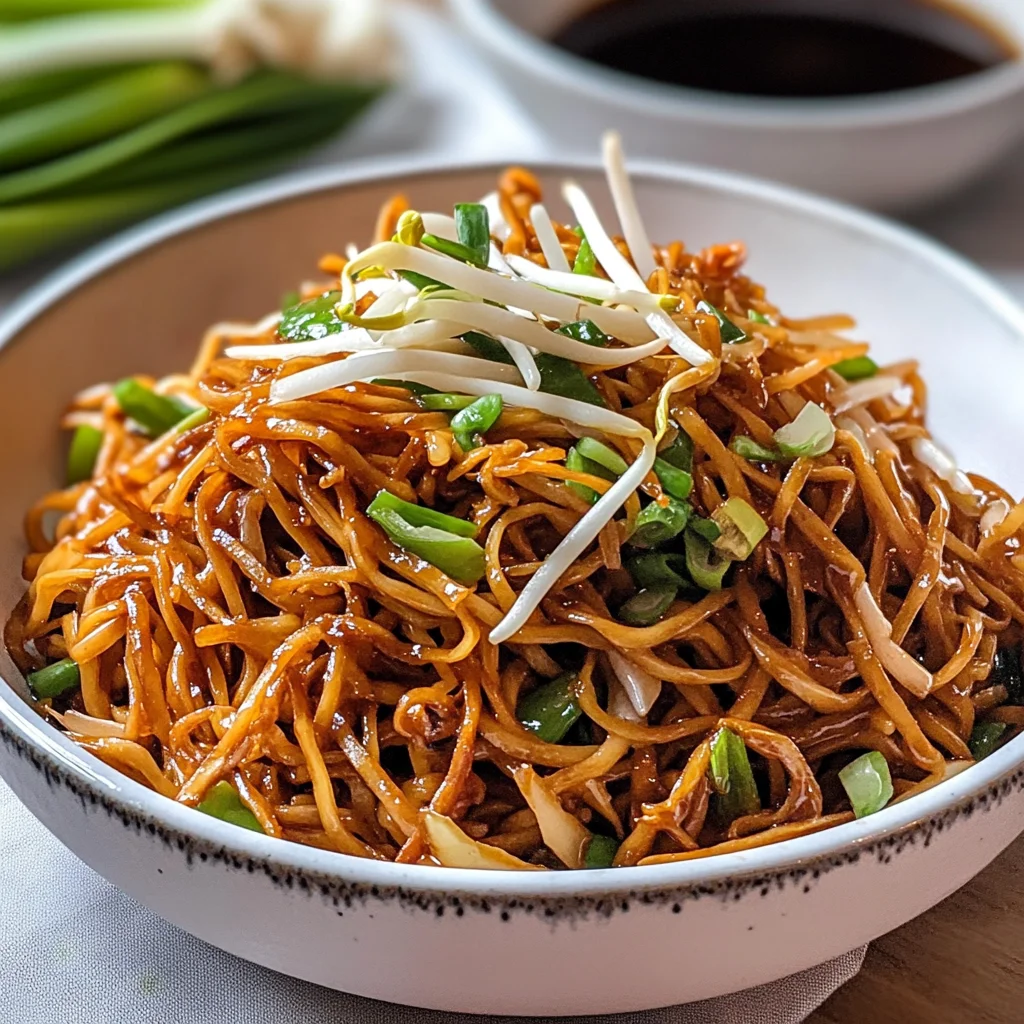
Ingredients:
To create our mouthwatering Cantonese Chow Mein, we’ll gather some fantastic ingredients that contribute to its unique flavor profile and delightful texture. Each element has its own story and significance—let’s explore them together!
-
12 oz chow mein egg noodles (thin fresh noodles, Hong-Kong style). These noodles are the heart of our dish; their thinness allows them to cook quickly while achieving that coveted crispiness when pan-fried. Look for fresh egg noodles at your local Asian market—they should be slightly springy to the touch. If you can’t find chow mein specifically, feel free to substitute with other types of egg noodles or even rice vermicelli; just keep an eye on cooking times as they vary.
-
1/2 small yellow onion (thinly sliced). Onions bring depth and sweetness to our dish as they caramelize during cooking. Their soft texture provides a lovely contrast against the crispy noodles while enhancing overall flavor with their natural sugars. Make sure to slice them thinly so they cook evenly—this step is absolutely paramount for achieving that perfect balance in every bite.
-
5 stalks green onions (cut into 2-inch pieces whites and greens divided). Green onions add freshness and vibrancy to our chow mein, both visually and taste-wise! The white parts contribute a milder onion flavor when sautéed alongside the yellow onion, while the green tops add a pop of color and a slightly sharper taste when tossed in at the end. Don’t skip this step; it truly makes the dish sing!
-
2 cups bean sprouts. These little crunchy gems bring an invigorating crunch along with their subtle earthiness, elevating our chow mein from good to extraordinary! They also introduce moisture into the dish without overwhelming it—making each mouthful feel light yet satisfying. Look for fresh bean sprouts; they should be crisp and firm for optimal texture.
-
3 tablespoons corn oil (or any neutral oil). Oil is what gives our ingredients the ability to cook beautifully without sticking together or burning—it’s essential! Corn oil works wonders due to its high smoke point but feel free to use canola or vegetable oil if you have those on hand instead.
-
1 teaspoon sesame oil (to finish). This aromatic oil is like liquid gold that adds depth and richness right at the end—the finishing touch that ties all flavors together perfectly! Just remember: less is more here; its robust flavor can easily overpower if used too generously.
-
2 tablespoons dark soy sauce. In Cantonese cuisine, dark soy sauce imparts color along with a deeper umami flavor that balances sweetness beautifully—it’s like magic in liquid form! Choose brands known for quality; they will enhance your dish tremendously.
-
1 tablespoon regular soy sauce. This adds another layer of saltiness while complementing the darker notes from its counterpart above; together they create harmony within your dish—a symphony indeed!
-
1 tablespoon oyster sauce. While traditionally made with oysters, there are excellent vegetarian versions available that still provide that rich savory taste we crave without using any animal products—these are non-negotiable if you’re looking for an authentic experience without compromising values!
-
1/2 teaspoon fish sauce. Similar to oyster sauce but often bolder; it introduces complexity while enhancing umami notes within our chow mein without being overtly fishy! Again though—ensure you select a high-quality vegetarian version if needed.
-
1 tablespoon granulated sugar. Sugar isn’t just for desserts—it balances out savory components beautifully here by adding depth through slight sweetness! It helps mellow out stronger flavors while enhancing others—it’s all about finding equilibrium!
-
1 tablespoon water. This simple ingredient helps thin out sauces slightly so everything melds together seamlessly during cooking—don’t underestimate its importance!
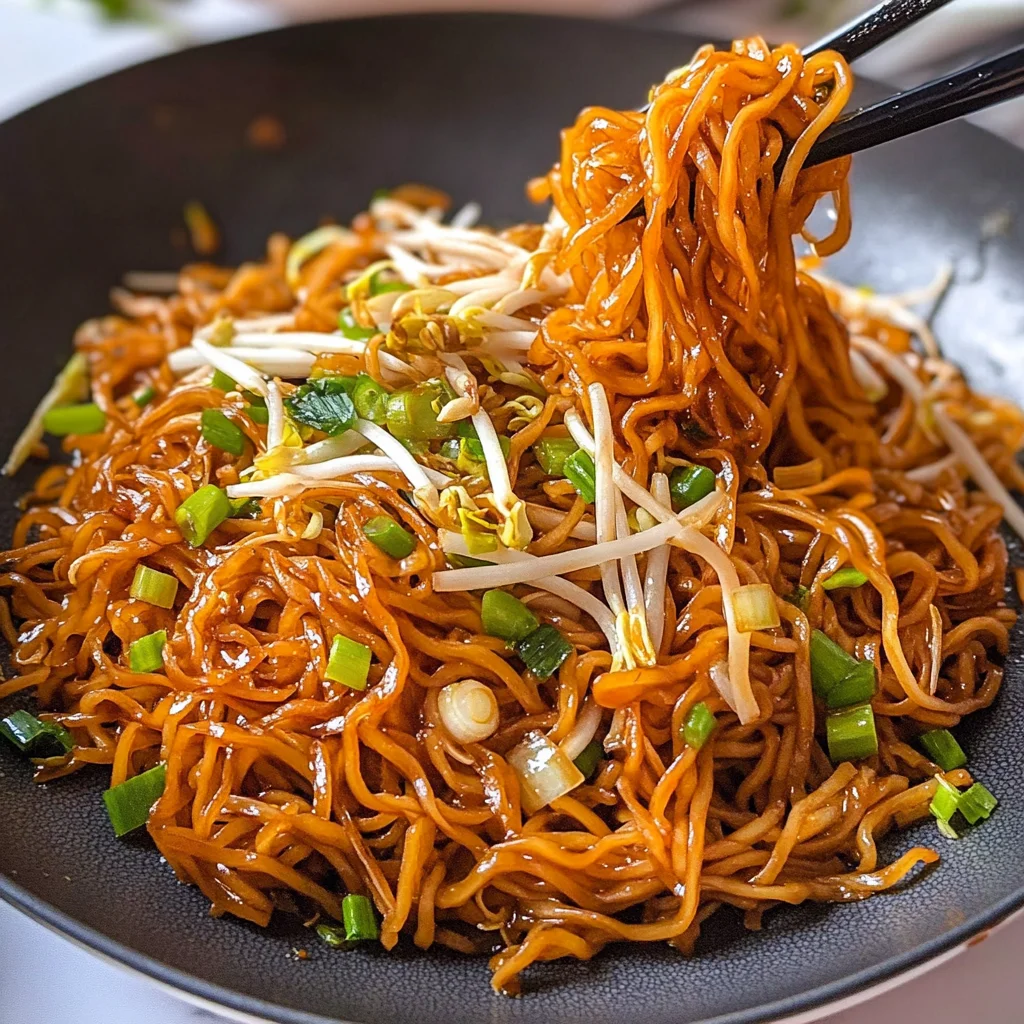
Equipment You’ll Need:
Having the right tools at your disposal makes all the difference when creating delicious dishes like our Cantonese Chow Mein! Think of these tools as essential partners in your culinary adventure—they help ensure everything goes smoothly while allowing you focus on enjoying every moment spent cooking.
-
Wok – A wok is ideal for stir-frying because its shape promotes even heating and allows food items plenty of room for tossing around without overcrowding—a must-have for achieving perfectly crispy noodles! If you don’t have one handy though don’t fret; any large skillet will suffice as long as it has high sides.
-
Ladle or Wooden Spoon – For mixing sauces or flipping ingredients around in your wok effortlessly! Wooden spoons are especially great since they won’t scratch non-stick surfaces if that’s what you’re using.
-
Cutting Board & Knife – Essential tools for prepping vegetables before diving into cooking! A sharp knife ensures precision cuts so everything cooks evenly—plus chopping fresh ingredients is therapeutic after all!
Now that we’re all set up with ingredients and equipment let’s dive into preparing this delightful Cantonese Chow Mein together!
Step 1: Cook Those Noodles Like a Pro
First things first: we need those glorious chow mein egg noodles ready for action! Begin by pouring boiling water over your dried noodles in a bowl (make sure they’re fully submerged) and let them soak for 30 seconds up until one minute max until softened but not mushy—that’s crucial here! You want them al dente so they’ll fry well later on without falling apart during cooking. Drain off any excess water once done soaking before setting aside patiently—we’re going places!
Step 2: Create Your Flavorful Sauce
Next up: let’s whip up our sauce which will infuse every element with tantalizing flavor magic as everything cooks together seamlessly! In a small mixing bowl (or whatever vessel suits you), combine dark soy sauce, regular soy sauce alongside oyster sauce plus fish sauce—oh dear heaven what beauty awaits us here! Add sugar too—it’ll dissolve beautifully within these luscious liquids creating sheer perfection—and lastly pour in just enough water that’ll help bind everything nicely when added later on during cooking time itself… trust me—it works wonders!
Step 3: Sauté Aromatics Until Heavenly
Grab your trusty wok now because it’s time for some serious sauté action! Heat one tablespoon worth of corn oil over medium-high heat until it’s shimmering like liquid gold—you want it hot enough so onions sizzle upon contact but not smoking crazily either (no one wants burnt flavors). Toss in sliced yellow onion along with white parts from those green beauties we prepped earlier; allow them mingle joyfully as they sauté away roughly around one minute till fragrant yet still translucent—not brown mind you—that’s key here since we seek sweetness not bitterness!
Step 4: Pan-Fry Those Noodles
Now comes arguably THE most exciting part—the pan-frying process where all those gorgeous flavors come alive within this marvelous concoction we’re creating today! With another tablespoon worth of corn oil heated similarly over medium-high heat till sizzling hot again (you’re doing wonderfully!), carefully add soaked-up drained noodle strands into pan spreading them out evenly across surface area encouraging browning action throughout approximately two minutes per side flipping occasionally until golden brown crispy edges emerge around each strand delightfully tempting anyone nearby—I promise you’ll hear their calls soon enough!
With these steps completed beautifully thus far—you’re already halfway towards Chow Mein paradise my friend—stay tuned as we continue onward towards assembling our final masterpiece full of vibrant veggies coated lovingly alongside aromatic sauces awaiting eager taste buds soon enough…
Step 5: Adding the Vegetables and Sauce – A Beautiful Medley of Flavors
Now that your noodles are gloriously crispy, it’s time to bring everything together in a glorious symphony of flavors. Start by gently adding the sautéed onions and the vibrant green parts of the green onions back into the wok. This mixture will create a tantalizing base for your dish, infusing everything with a delightful aroma. Next, it’s time to introduce the bean sprouts—a staple in many Cantonese dishes. These crunchy little gems not only add texture but also an invigorating freshness that balances out the savory notes beautifully. As you toss these ingredients into the pan, pay attention to how they sizzle and pop; it’s music to your ears!
Now comes one of the most crucial steps: pouring in that heavenly sauce mixture you prepared earlier. You’ll want to do this slowly, allowing each drop to coat those crispy noodles and vegetables evenly. This is where magic happens! The sugars from the sauce will caramelize slightly, enhancing the overall flavor profile and giving your chow mein that irresistible glisten—think of it as dressing your noodles in liquid gold! Trust me on this; stir gently yet thoroughly for about 1-2 minutes until everything is well-combined and heated through. Don’t rush this step; let those flavors meld together like old friends catching up over coffee. It’s important to taste here—adjusting seasoning if necessary will ensure your dish is nothing short of extraordinary.
Step 6: The Finishing Touch – A Drizzle of Sesame Oil
With everything perfectly combined, we can’t forget about our finishing touch—the sesame oil! This ingredient is absolutely paramount for adding depth and richness to your Cantonese Chow Mein. As you drizzle just one teaspoon over your beautifully plated dish, you’ll notice how its nutty aroma elevates the entire experience. This little step transforms a good meal into something profoundly satisfying and memorable, taking it beyond mere sustenance to a culinary celebration.
I encourage you to mix gently once more after adding the sesame oil. This final toss is an opportunity for all those vibrant colors and textures to come together harmoniously before serving. The warmth from the noodles will help release even more fragrance from the sesame oil, creating an utterly intoxicating scent that wafts through your kitchen—trust me; you’ll want everyone around to share in this moment! Once you’ve given it a good mix, take a moment to savor what you’ve created before dishing everything out.
Step 7: Plating Your Masterpiece – A Feast for the Eyes
Now comes the part where we transform our humble ingredients into a feast for both the eyes and palate! Grab some beautiful bowls or plates—presentation matters just as much as flavor when it comes to enjoying food with loved ones. Using tongs or a large fork, lift generous portions of your chow mein onto each plate while ensuring those crispy noodles remain intact; they’re truly the star of this show! You might find yourself marveling at how vibrant and colorful everything looks—the deep golden hues from the sauces against bright green onions and crisp bean sprouts create a visual delight.
As you plate, don’t forget about garnishing! Consider sprinkling some additional chopped green onions on top or even some sesame seeds if you have them on hand; these not only enhance presentation but also add an inviting crunch with each bite. Encourage your guests (or yourself!) to dig in immediately while it’s still warm—this chow mein is best enjoyed fresh out of the wok when those flavors are at their peak intensity. Remember, food made with love deserves to be savored!
Step 8: Enjoying Your Creation – The True Reward
Finally, it’s time for that most rewarding part—the moment when you take your first bite of this truly extraordinary Cantonese Chow Mein! As you lift a forkful towards your mouth, notice how each element plays its role; from crispy noodles enveloped in rich sauce to crunchy bean sprouts bursting with freshness—each taste is a celebration of textures and flavors working in unison. I promise you, there’s nothing quite like savoring something you’ve crafted with care right at home.
As you enjoy every mouthful, take a moment to reflect on how far you’ve come—from selecting fresh ingredients to mastering cooking techniques that bring them alive on your plate. This dish doesn’t just fill bellies—it builds connections as stories are shared over meals prepared with love. So gather around friends or family, share laughter and joy as you relish every bite together because food has an incredible power to unite us all.
Final Thoughts: Cherish Every Bite
This Cantonese Chow Mein recipe isn’t just about throwing ingredients in a pan; it’s about creating something special that resonates with warmth and comfort—the kind of meal that draws people together around the table with smiles on their faces. I hope this guide empowers you in your kitchen adventures while inspiring confidence along every step of the way! So go ahead, make this dish multiple times—play around with veggies or proteins if you’d like—but most importantly, enjoy every moment spent cooking and sharing it with others! Happy cooking!
Storage and Enjoyment Tips for Your Cantonese Chow Mein
Now that your kitchen is filled with the utterly intoxicating aroma of homemade Cantonese Chow Mein, it’s time to dig in! But before you dive into this delightful dish, let’s chat about how to enjoy your leftovers because trust me, this dish is just as wonderful the next day. If you find yourself with any remnants (which I doubt, but just in case!), you’ll want to store them properly to savor those flavors later.
Storing Leftover Cantonese Chow Mein
The best way to keep your leftover Cantonese Chow Mein fresh and delicious is by transferring it into an airtight container. This helps lock in those vibrant flavors and keeps everything from getting dry or mushy. Ideally, you should refrigerate it within two hours of cooking; that’s when its taste remains at its peak! Stored this way, your chow mein can last up to three days without losing its charm. If you’re hoping to maintain the quality of your noodles, a little pro tip is to place a slice of bread in the container with them; it absorbs excess moisture that could otherwise make your noodles soggy. When reheating, I recommend warming it slowly in a pan over low heat, adding a splash of water or a drizzle of soy sauce to bring back that lovely texture—and oh, the comforting scent that will waft through your kitchen!
Freezing Components for Later
If you’re anything like me and love having quick meals on hand for those busy nights, freezing some components of this delightful chow mein can be a game-changer! You can freeze the cooked noodles and stir-fried vegetables separately in freezer-safe bags or containers. Just make sure they’re cooled completely before sealing them up tight—this little step ensures there’s no ice crystal mishap! They can stay frozen for up to three months while still retaining their fabulous flavor and texture. When you’re ready for a cozy meal, simply thaw them overnight in the fridge or use the microwave for a quick defrosting session. Then sauté them together once more with a splash of sauce for a fresh meal that feels like magic on a busy night! The convenience factor here is absolutely paramount—imagine pulling out these flavorsome ingredients on a whim for dinner after a long day!
CATEGORY_NAME
Cantonese Chow Mein
- Total Time: 15 minutes
- Yield: Serves approximately 4 people 1x
Description
Cantonese Chow Mein is a vibrant and satisfying dish that brings the flavors of Chinese cuisine right to your kitchen. With tender yet crispy egg noodles tossed in a savory sauce and mixed with fresh vegetables, this quick stir-fry is perfect for any meal of the day. In just 15 minutes, you can recreate this classic dish that’s often enjoyed on bustling streets filled with tantalizing aromas. Whether you’re craving a comforting dinner or a delicious lunch, this Cantonese Chow Mein will surely delight your taste buds and impress your family or guests. Let’s dive into making this delightful dish!
Ingredients
- 12 oz chow mein egg noodles
- 1/2 small yellow onion (thinly sliced)
- 5 stalks green onions (cut into 2-inch pieces)
- 2 cups bean sprouts
- 3 tablespoons corn oil
- 1 teaspoon sesame oil
- 2 tablespoons dark soy sauce
- 1 tablespoon regular soy sauce
- 1 tablespoon vegetarian oyster sauce
- 1/2 teaspoon vegetarian fish sauce
- 1 tablespoon granulated sugar
- 1 tablespoon water
Instructions
- Soak the chow mein noodles in boiling water for up to one minute until softened but not mushy. Drain and set aside.
- In a small bowl, mix together dark soy sauce, regular soy sauce, vegetarian oyster sauce, vegetarian fish sauce, sugar, and water to create the sauce.
- Heat one tablespoon of corn oil in a wok over medium-high heat. Sauté the yellow onion and white parts of green onions for about one minute until fragrant.
- Add another tablespoon of corn oil to the wok and carefully add the drained noodles. Pan-fry until golden brown on both sides, about two minutes per side.
- Add sautéed onions, green parts of green onions, and bean sprouts to the wok; stir-fry for an additional minute.
- Pour the prepared sauce over the noodle mixture and toss gently for one to two minutes until well-combined. Finish with a drizzle of sesame oil.
- Prep Time: 10 minutes
- Cook Time: 5 minutes
- Category: Main
- Method: Stir-frying
- Cuisine: Chinese
Nutrition
- Serving Size: 1 plate (300g)
- Calories: 420
- Sugar: 6g
- Sodium: 850mg
- Fat: 18g
- Saturated Fat: 2g
- Unsaturated Fat: 14g
- Trans Fat: 0g
- Carbohydrates: 60g
- Fiber: 4g
- Protein: 10g
- Cholesterol: 0mg


Leave a Comment